
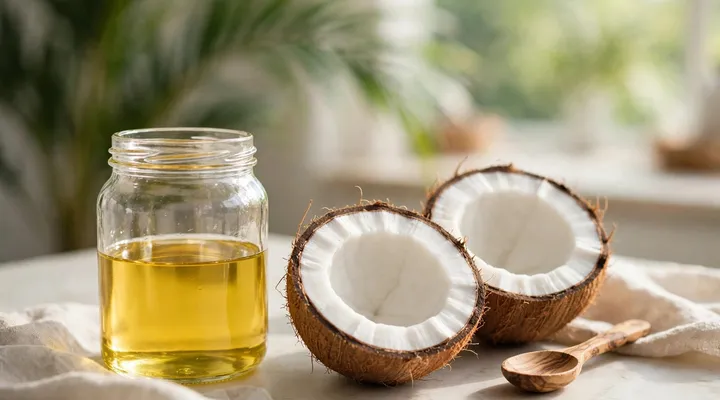
Short answer: Extra virgin coconut oil is one of the hardest-working jars in a UAE kitchen — use it to temper spices for curries, swap it for butter in baking, stir a spoonful into coffee or smoothies, and use the same jar as a pre-wash hair mask and a body moisturiser. It is solid below about 24°C and melts clear in warmth, which is normal for a pure, unrefined oil.
Most jars in the pantry do one job. Extra virgin coconut oil does half a dozen — the everyday oil of Sri Lankan and South Asian kitchens and a favourite in homes across Dubai, Abu Dhabi and Sharjah. The trick is knowing how much to use and when its coconut flavour helps.
First, What Makes It “Extra Virgin”?
Extra Virgin Coconut Oil is pressed from the fresh white flesh of mature coconuts, without high heat or chemical refining. Because it is unrefined, it keeps the light, sweet aroma of fresh coconut — and that aroma is your best quality check. Refined coconut oil, pressed from dried copra and then bleached and deodorised, is almost flavourless.
The other thing to know is the solid-liquid switch. Coconut oil solidifies below about 24°C, so in a cool, air-conditioned kitchen it will be a firm white solid, and in a warm cupboard it turns into a clear golden liquid. Both states are the same oil. Stand the jar in warm water for a few minutes if you need it liquid, or simply scoop out what you need.
How to Use Extra Virgin Coconut Oil in Cooking
In Sri Lankan cooking, coconut oil’s most important job is tempering — heating the oil, then frying spices in it so their flavour blooms.
- Tempering spices: Heat 1 tablespoon in a pan over medium heat, add mustard seeds, cumin, curry leaves, dried chillies or garlic, and fry for 30–60 seconds until fragrant. Pour the tempering over dhal, or start your curry in it.
- Sautéing, stir-fries and roasting: Well suited to everyday cooking temperatures. Use it for vegetables, eggs, chicken and seafood where a gentle coconut note fits, and toss root vegetables in melted oil before roasting for crisp edges.
- Curries and soups: Start curries in coconut oil instead of vegetable oil for a rounder, more traditional flavour. A teaspoon stirred into a finished soup adds richness without heaviness.
- When not to use it: Skip it where you want no coconut flavour at all, such as a delicate olive-oil dressing.
How to Use Extra Virgin Coconut Oil in Baking
Coconut oil swaps for butter or vegetable oil in most baking, and it is one of the easiest swaps to get right: replace butter or oil with the same amount of coconut oil, 1:1. Use it melted for cakes, muffins and banana bread, or solid (like softened butter) for cookies and pastry, where it creams with sugar in the same way.
Expect a light coconut note, a tender crumb and a slightly crisper edge on cookies. It works particularly well in banana bread, carrot cake, chocolate cakes and granola. One practical tip: if your other ingredients are cold from the fridge, melted coconut oil can firm up and clump when it hits them, so bring eggs and milk to room temperature first.
Because it is plant-based, coconut oil is a natural fit for vegan cakes, cookies and frostings — beat solid coconut oil with icing sugar and vanilla for a simple frosting, and a pinch of Ceylon cinnamon powder makes a warmly spiced version for cinnamon buns.
Extra Virgin Coconut Oil for Hair
Beyond the kitchen, coconut oil has been used on hair in Sri Lanka and across South Asia for generations.
- Pre-wash hair mask: Warm 1–2 tablespoons in your hands until liquid, work it through the lengths and ends of dry hair, and leave for 30 minutes — or overnight for very dry hair — before shampooing as usual.
- Frizz control: Rub a pea-sized amount between your palms and smooth it over flyaways and ends. A little goes a long way; too much will look greasy, so start small.
Extra Virgin Coconut Oil for Skin
The same jar works as a simple moisturiser — useful in the UAE, where air conditioning dries skin out all year.
- Body moisturiser: Apply a small amount to damp skin after a shower; it melts on contact and absorbs well. It is especially good for elbows, knees and heels, and a dab on the lips works as a simple balm.
- One caution: Coconut oil is rich and can feel heavy on oily or breakout-prone facial skin. Use it happily on the body and hair, but patch-test a small area on the face first.
How to Store Extra Virgin Coconut Oil
Store the jar in a cool, dry place away from direct sunlight — a kitchen cupboard is ideal. No refrigeration is needed, and the oil has a long shelf life. Keep the lid on and use a clean, dry spoon so no water gets into the jar. If it has gone solid, stand the jar in warm water for a few minutes and it will melt again.
One Jar, a Whole Routine
One unrefined, cold-pressed oil covers your curries, your baking, your hair mask and your moisturiser — no shelf of single-purpose products, and nothing artificial added. If you cook Sri Lankan or South Asian food at home, it is the oil your recipes were written for.
Ready to try it? Order Extra Virgin Coconut Oil 500ml from Ceyloncy for AED 24.00 — cold-pressed, unrefined and delivered across the UAE. Pair it with Organic Coconut Sugar for baking, or with Ceylon Premium Cinnamon Powder 300g for warmly spiced breakfasts.
Frequently Asked Questions
Why is my coconut oil solid?
Coconut oil naturally solidifies below about 24°C. This is a sign of a pure, unrefined oil, not a fault. Stand the jar in warm water or scoop out what you need; it melts quickly and the quality is not affected.
Can I use extra virgin coconut oil instead of butter in baking?
Yes. Swap it 1:1 for butter or vegetable oil in most recipes — melted for cakes and muffins, solid for cookies. It adds a light coconut flavour and a tender crumb. Use room-temperature eggs and milk so the melted oil does not firm up in the batter.
Is extra virgin coconut oil good for hair?
Yes. It is widely used as a pre-wash hair mask: work 1–2 tablespoons through the lengths and ends, leave for 30 minutes or overnight, then shampoo out. A pea-sized amount also smooths frizz.
Can I use coconut oil on my skin every day?
Yes, as a body moisturiser it works well for most people, especially on damp skin after a shower. On the face, start with a small patch test — it is rich and can feel heavy on oily or breakout-prone skin.
How long does extra virgin coconut oil last?
Stored sealed in a cool, dry place away from sunlight, it has a long shelf life. Keep water out of the jar and use a clean spoon. It does not need refrigeration, and going solid in cool weather or liquid in warmth is completely normal.